
Criminal Cases in Effingham County Courts
Illinois Circuit Court hears every Effingham County felony and misdemeanor prosecution. The Criminal Department also handles DUI, contempt, conservation, local ordinance, and juvenile proceedings, although access to juvenile matters is restricted. Effingham belongs to the Fourth Judicial Circuit, a nine-county circuit whose judges may serve throughout the circuit. City ordinance cases do not sit in a separate municipal criminal database. They reach the same Circuit Clerk system used for other local prosecutions.
The Circuit Clerk is the official custodian. Its file controls when a web index and a court document differ. The clerk records the case number, filed counts, hearings, motions, plea or trial result, disposition, judgment, sentence, and financial entries. Prosecutors and defense lawyers participate in the case, but neither office replaces the clerk as the source for the court file.
Effingham County's Fourth Circuit
The official judge roster identifies the circuit and associate judges who may hear Effingham County criminal cases. The July 2026 assignment places criminal, traffic, and juvenile matters on the Monday through Thursday calendar, while Friday includes daily matters and Problem Solving Court. Court ordinarily convenes at 9:00 a.m. Assignments can change, so confirm the current courtroom and judge from the docket or clerk before attending.
The Fourth Circuit overview pictured below provides the regional context.
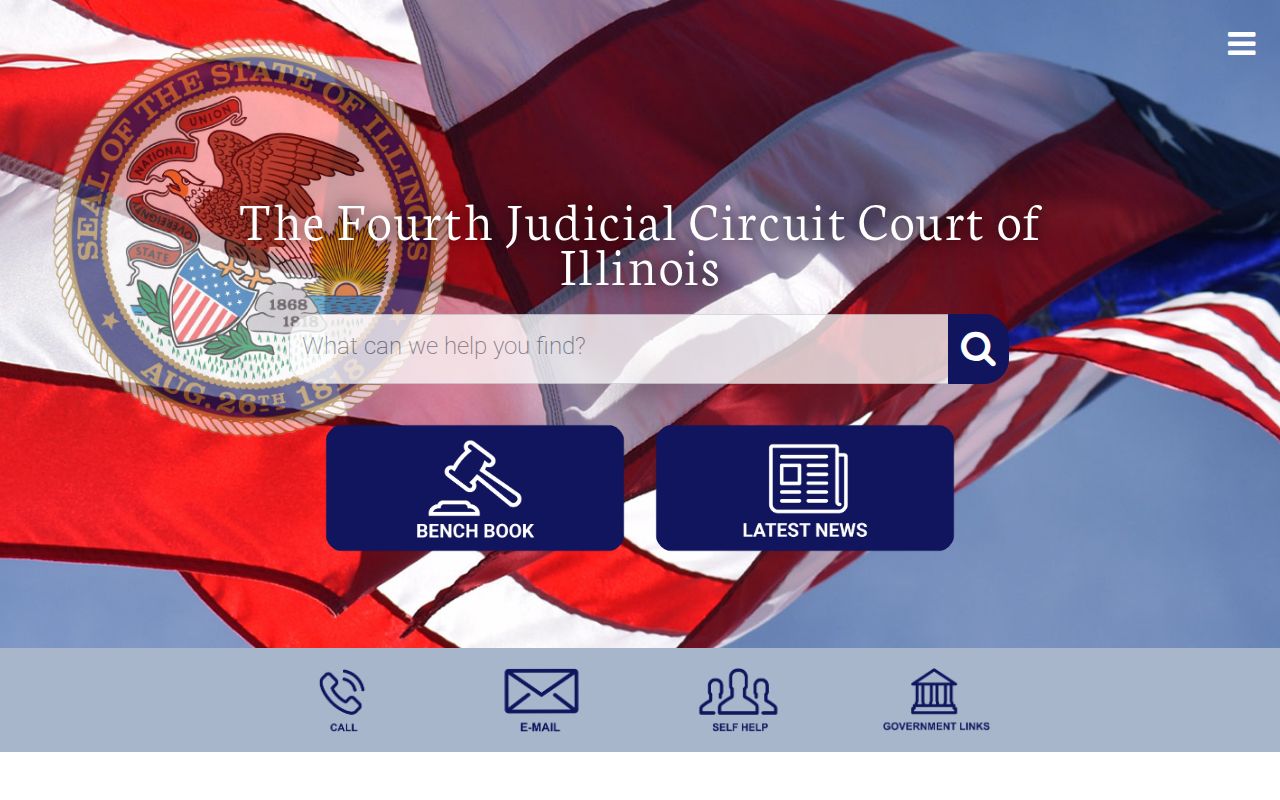
The Effingham County Circuit Clerk remains the local keeper even when a circuit judge from another county handled a hearing.
How to Search Case Records
Begin at the county's Criminal Court page and follow “Search Your Case” to the Effingham Judici index. Judici is privately operated and county-selected; it is not the official file. Research encountered a CAPTCHA, so field labels, wildcard rules, date coverage, and document prices cannot be stated with confidence.
- Open the clerk's criminal page and use its Effingham County Judici link.
- Search with the party name or exact case number offered by the live interface.
- Compare matches using the filing year and case type shown.
- Open the docket and read every count, event, and disposition.
- Ask the Circuit Clerk for unavailable filings, plain copies, or certified copies.
| Field Label | Type | Required | Notes |
|---|---|---|---|
| Party name | Live portal field | Interface controls | Confirm details before treating a match as the same person. |
| Case number | Live portal field | Interface controls | The strongest identifier when copied from a notice. |
| Filing year | Result detail | No | Helps separate similar names and older matters. |
| Case type | Result detail | No | Distinguishes criminal, traffic, ordinance, and other cases. |
| Verified fields | Unavailable | Unknown | CAPTCHA blocked a reliable field inventory. |
The linked case-search interface is pictured below.
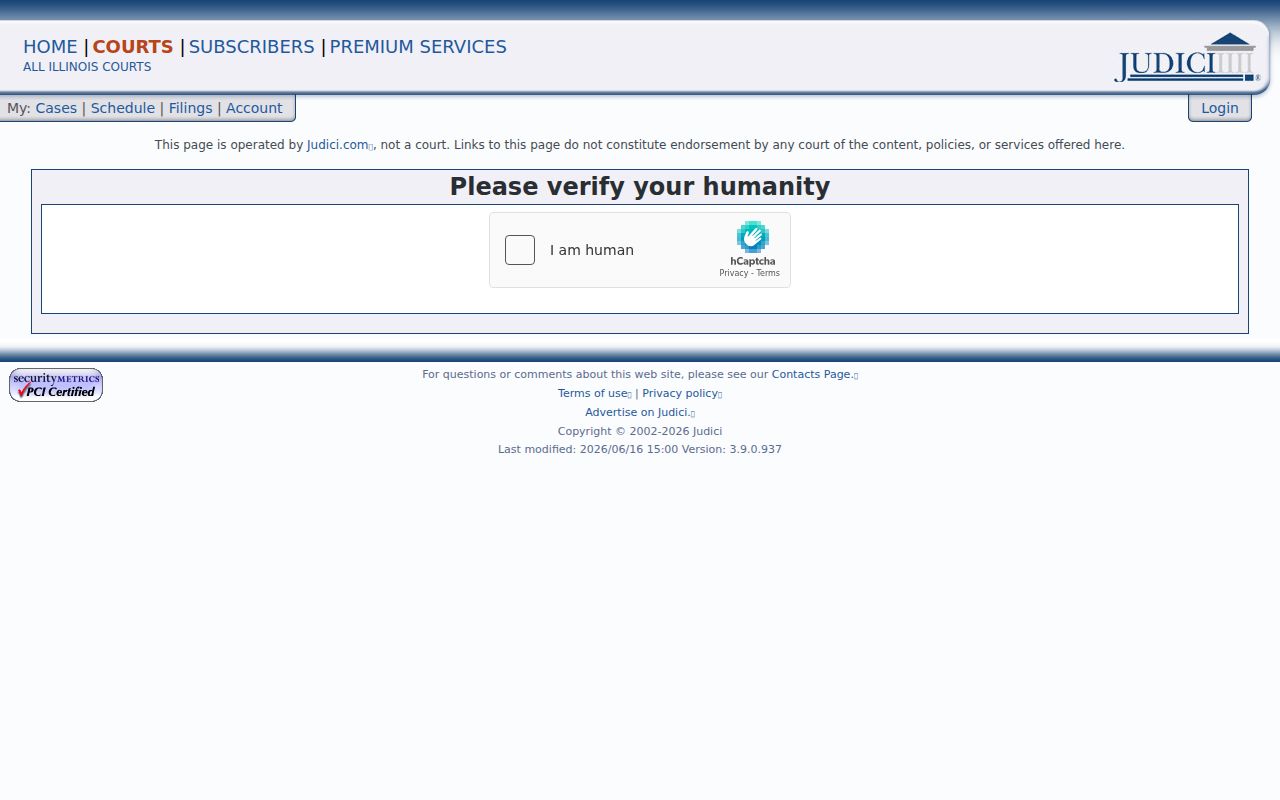
A verification prompt is a reason to use the clerk, not proof that no case exists.
Effingham Case Help in Suite 101
The Criminal Department is at 120 West Jefferson Avenue, Suite 101, Effingham, IL 62401. Clerk Tammy Kreke's counter is open weekdays from 8:00 a.m. to 4:00 p.m. Call 217-342-4065 or email circuitclerkinfo@effinghamcountyil.gov. Give the full name, case number if known, and approximate filing year. Ask separately for the docket, charging instrument, disposition, judgment, sentence, financial ledger, and certified copies.
Effingham County Circuit Clerk
Criminal Department
120 W Jefferson Ave, Suite 101
Effingham, IL 62401
217-342-4065
Weekdays, 8:00 a.m. to 4:00 p.m.
Note: Original court files cannot leave the clerk's custody, but staff can prepare plain or certified copies.
What the Case File Shows
An Effingham County case file is organized around a prosecution, not an arrest cycle. Read the charging paper and each count first. Then trace docket entries through the last disposition. An intake charge can be reduced, replaced, or never filed, while one case can end with different results on different counts.
| Case Number & Court | Identifies the Effingham filing and controlling court. |
|---|---|
| Charging Document | The complaint, information, or indictment states the filed counts. |
| Docket Entries | Dated filings, appearances, motions, orders, and other action. |
| Hearing Dates | Past and scheduled appearances, subject to later orders. |
| Disposition & Judgment | The result for each count, including dismissal, acquittal, supervision, or conviction. |
| Sentence & Conditions | Custody, probation, fines, costs, restitution, or other terms. |
“Nolle prosequi” means the prosecutor chose not to pursue that count. Supervision may avoid a conviction judgment after successful completion.
Effingham Criminal Charges in Plain Terms
Three charging documents can appear in Illinois criminal cases. Their names describe how the accusation reached court, not whether it was proved.
- Complaint
- A sworn charging paper that starts a case.
- Information
- A prosecutor-filed charge without a grand-jury indictment.
- Indictment
- A grand jury's formal felony accusation.
- Disposition
- The recorded outcome of one count or the case.
Compare the arrest report with the filed document. Effingham prosecutors may decline, replace, or revise an intake charge.
Stages of a Criminal Case
An Effingham County case may begin with arrest or summons, followed by a first appearance and pretrial-release conditions. A complaint, information, or indictment defines the filed accusation. Arraignment addresses the charge and plea. Discovery and motions follow. A plea, dismissal, or trial leads to the disposition and any sentence. An appeal creates a reviewing-court trail.
Case flow: Charges Filed › Arraignment › Pretrial › Plea or Trial › Disposition › Sentencing
Effingham Problem Solving Court
Friday's assignment includes Problem Solving Court, and Adult Services describes Drug Court, GPS and home confinement, administrative sanctions, testing, and public-service work. These programs can generate orders and probation entries. They do not create a second criminal court database.
The county's Probation page is pictured below.
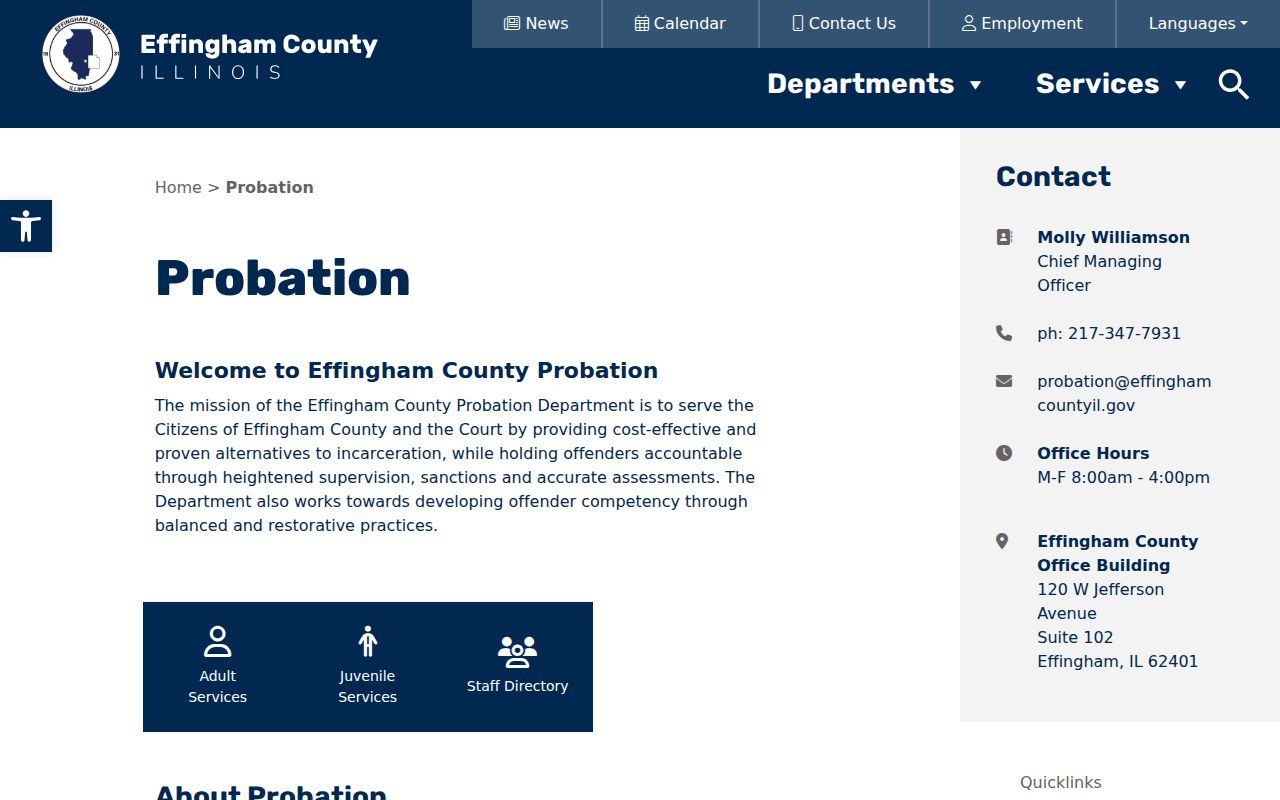
Verify a program's effect by reading the judge's order and final disposition.
Effingham Criminal Hearing Transcripts
A docket is not a word-for-word record. Request a transcript by emailing circuitclerkinfo@effinghamcountyil.gov with the case number, hearing date, and callback number. Pay Location Number 1826 is for court financial obligations, not record purchases.
The Fourth Circuit judge page provides context for names shown in Effingham dockets.
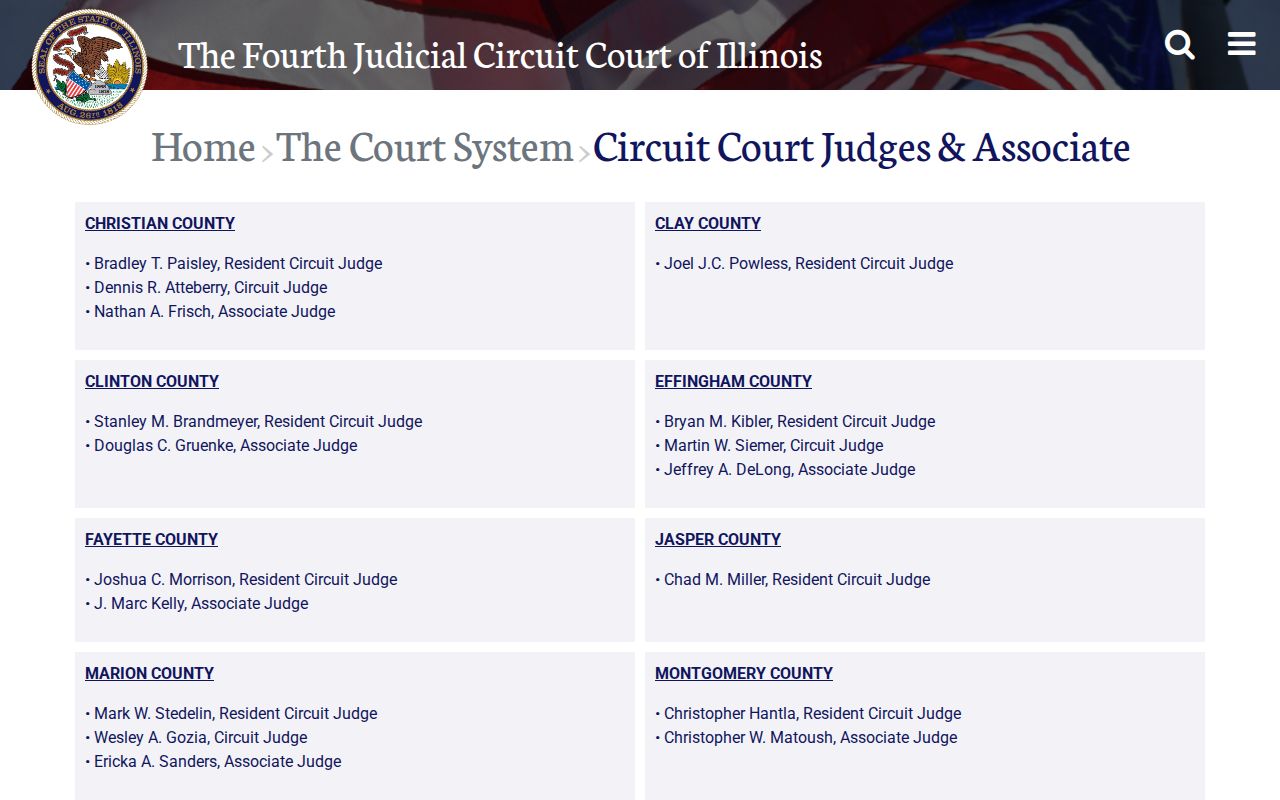
Use the case number and hearing date to connect the request to the right proceeding.
Access & Restrictions
Illinois court documents are generally open unless law or court order restricts them. Supreme Court Rule 8 supports the labels Public, Impounded, Confidential, Sealed, and Expunged. Juvenile material, victim-sensitive facts, personal identifiers, and protected filings may be absent or redacted online.
Access point: Ask the Circuit Clerk whether a case is restricted, archived, or available only at the counter. FOIA does not replace judicial-record procedure.
Transmission-capable electronics, including phones, laptops, tablets, cameras, recorders, and Bluetooth watches, are prohibited inside the Government Center. Print the case number and contact details before arrival.
Note: A restricted online view does not authorize access to sealed, expunged, confidential, or impounded material.
Remote access also differs from inspection at the clerk's counter. A docket summary may identify an order without displaying the document itself. Ask for that order by title and filing date. If a case was sealed or expunged, staff may confirm only what the governing order and access rules permit. Illinois FOIA applies to executive and local public bodies, while court files follow judicial procedures. Sending a Sheriff FOIA request for a judgment only delays the search because the Sheriff is not the custodian.
For an appeal, note the trial-court case number before checking the reviewing-court layer. Illinois opened free re:SearchIL access to nonconfidential reviewing-court documents filed on or after April 1, 2025, but the circuit clerk still holds the official Effingham trial record. The two records serve different stages. Match the appellate caption and number back to the underlying county case before drawing conclusions about the final result.